I started where the grid actually runs.
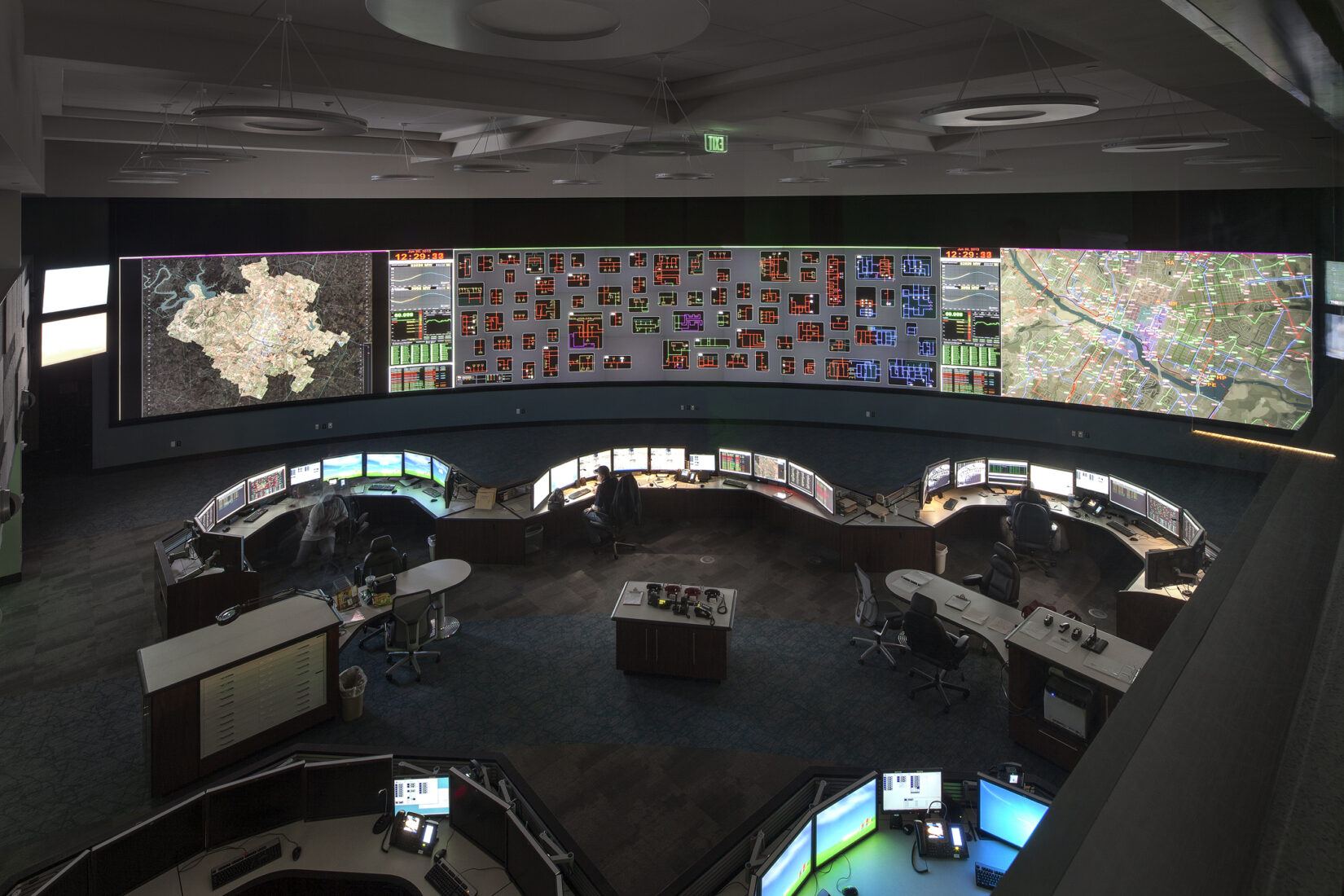
I started in the Austin Energy control center long before “smart grid” or “grid modernization” were terms, when grid operations were 100% manual: calculator, pencil, paper logs, and operator judgment. That's why I know what's under the hood in the operating systems and the operating practices, not just what the dashboards show. Over 22 years, I lived through and helped implement every major operational technology evolution: EMS, OMS, DMS, ADMS, DERMS, distribution SCADA, GIS, AMI, FLISR. From fully manual operations then to leading the AI evolution now.
I built and ran the Blackstart restoration program from the ground up, earned the NERC system operator certification on the reliability credential and carried it through those years, supervised real-time T&D operations, and led the integration of advanced grid technologies across the control room.
The control room years, in full
What “operator” means, specifically.
Austin Energy is municipal, so the system I ran is a matter of public record. In my years there it was 437 square miles, just under 500,000 meters and close to a million people, 620 miles of transmission at 69, 138, and 345 kV, 11,400 miles of distribution, 74 substations, and more than 3,000 MW of generation with Decker as the contracted blackstart resource. Interconnections to LCRA and CenterPoint. All time peaks of 2,714 MW in August 2011 and 2,195 MW in February 2011. The utility publishes the current numbers, now 633.5 miles of transmission, 12,337 miles of distribution, 81 substations, and 575,087 customers.
The control systems came in that order too: Harris SCADA from 1993, an in-house trouble call system, ABB Ranger SCADA and EMS from 2003, GE PowerOn for outage management, then the Telvent and Schneider ADMS. I was the operations subject matter expert on those implementations, which meant requirements, factory and site acceptance testing, operator training, go live, and the weeks after go live when it either works on shift or it does not. In February 2011, during the ERCOT-wide rotating outages, I ran Austin Energy's part of the load shed and figured the blocks by hand, because the event was bigger than anything we were set up to calculate.
I worked every major event on that system between 1993 and November 2015: the ice storms of 1998, 2003, and 2007, the Halloween flood of 2013 and both 2015 floods, tornadoes and severe storms, the ERCOT rotating outage events of 2006 and 2011, and the 2011 heat emergency that set our all time peak. ERCOT blackstart training and multi-utility restoration exercises ran every year alongside it. I also spent those years coordinating with independent power producers wired into our system, including the University of Texas campus cogeneration microgrid at 69 kV and three waste-to-energy plants on automatically switched overhead primary. We were switching around embedded generation and islanded campus load long before anyone called it DER.
Why I stayed for so many years.
Austin Energy had a 23-year vested retirement system available at any age, which gave me a deliberate runway to fully evolve with the industry. Those weren't 23 passive years, they were 23 years of deep, hands-on experience implementing and operating every major grid platform on the market as the industry transformed. By the end, I could speak credibly about how each platform actually performed in production, where the gaps were, and what utility operators really needed from the next generation of technology. That depth is what made the next chapter possible.
What I captured here
Operator-grade credibility, the ability to speak the truth about what grid modernization technology actually does, and doesn't do, in real-time operations.